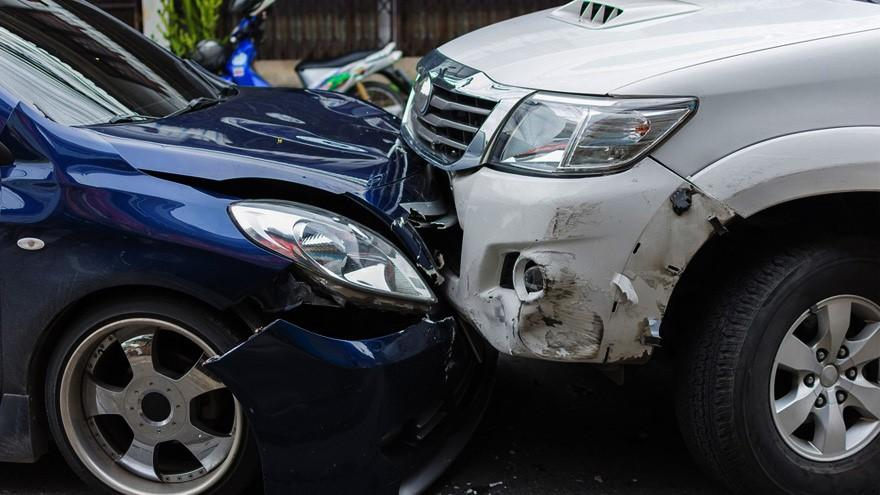


Full coverage car insurance is one of the most common phrases in auto insurance—and one of the most misunderstood. It isn’t an official policy type with a single universal definition. Instead, it’s a shorthand many people use to describe a policy that includes:
- Liability insurance (required in most states), plus
- Collision coverage, and
- Comprehensive coverage (often required by lenders/lessors)
NerdWallet explains that full coverage typically refers to a policy that combines liability with comprehensive and collision.
NAIC similarly notes that if you have an auto loan, your lender may require full coverage, meaning both comprehensive and collision (in addition to required coverages).
Below is a clear breakdown of what full coverage usually includes, what it does not guarantee, and how to choose the right limits for your situation.
Why full coverage can mean different things
Because full coverage isn’t a standardized term, the definition can vary by insurer, agent, or even region. Bankrate points out that full coverage is not an industry-standard term, so what’s included may differ.
In practice, when most drivers say full coverage, they’re usually talking about having coverage that:
- protects other people and their property (liability), and
- protects your own vehicle (collision + comprehensive).
What full coverage car insurance typically includes
Liability coverage (required in most states)
Liability coverage generally helps pay for injuries and property damage you cause to others in an at-fault accident. It’s usually split into:
- Bodily Injury Liability (BI)
- Property Damage Liability (PD)
Most states require some minimum amount of liability coverage to legally drive.
Collision coverage (damage from crashes)
Collision helps pay to repair or replace your car if you collide with another vehicle or object (like a pole or guardrail), regardless of fault in many scenarios.
Comprehensive coverage (non-collision damage)
Comprehensive generally covers damage to your vehicle from non-collision events such as theft, hail, windstorm, fire, flood, or hitting an animal. NAIC provides examples including theft and weather-related events.
The Insurance Information Institute (III) also notes that optional collision and comprehensive coverages are typically part of a full-coverage policy.
Coverage table: what full coverage usually means
| Coverage type | What it generally pays for | Common examples |
|---|---|---|
| Liability (BI/PD) | Injuries and property damage you cause to others | Medical bills for others, repairs to someone else’s car |
| Collision | Damage to your car from a crash | You hit another car; you hit a pole |
| Comprehensive | Damage to your car not caused by a collision | Theft, hail, fire, flood, animal strike |
Important: Even with these three coverages, you still have limits and deductibles, and some events may be excluded depending on policy language.
What full coverage does NOT automatically include
Many drivers assume full coverage means everything is covered. It doesn’t.
Depending on your state and insurer, you may need to add (or confirm) the following:
Uninsured/Underinsured Motorist (UM/UIM)
Helps protect you if another driver hits you and doesn’t have insurance (or doesn’t have enough). Requirements vary by state.
Medical Payments (MedPay) or Personal Injury Protection (PIP)
These can cover medical expenses for you and passengers after an accident (regardless of fault), depending on the coverage type and state rules.
Rental reimbursement
Helps pay for a rental car while your vehicle is being repaired after a covered claim.
Roadside assistance
Towing, jump starts, lockout help, etc. (coverage limits vary).
Bottom line: Full coverage usually refers to liability + comp + collision, but your complete protection may require additional coverages depending on your risk and state requirements.
Why lenders often require full coverage
If you finance or lease your vehicle, the lender has a financial interest in the car. That’s why lenders commonly require you to carry coverages that protect the vehicle itself—typically collision and comprehensive—not just liability. NAIC explicitly notes that if you have an auto loan, your lender may require full coverage, meaning both comprehensive and collision.
How much does full coverage car insurance cost?
Costs vary significantly by:
- state and ZIP code
- driving history
- vehicle make/model and repair costs
- coverage limits and deductibles
- credit-based insurance score (where permitted)
- claims history in your area
Because full coverage usually includes more protection than liability-only, it typically costs more. Your best approach is to compare quotes using the same limits and deductibles across insurers.
How to choose the right full coverage setup
Step 1: Decide how much liability you actually need
State minimums can be too low to cover a serious accident. Many drivers choose higher liability limits to reduce out-of-pocket risk.
Step 2: Pick deductibles you can afford
Collision and comprehensive typically have deductibles (e.g., $500 or $1,000). A higher deductible often lowers your premium—but only choose one you could pay comfortably if you had a claim next week.
Step 3: Compare comp + collision cost vs your car’s value
If your car is older and worth less, paying for collision (and sometimes comprehensive) may not make sense long-term. A common rule is: if the annual premium for comp/collision approaches a meaningful portion of the car’s value, consider adjusting coverage (but be careful if you have a loan—your lender may require it).
Step 4: Add the missing pieces that matter for your life
Common add-ons worth considering:
- UM/UIM (especially if uninsured driving is common in your area)
- MedPay/PIP (depending on your health coverage and state rules)
- Rental reimbursement (if you’d struggle without a car)
- Roadside assistance (if you don’t already have it elsewhere)
Common myths about full coverage
Myth 1: Full coverage means no out-of-pocket cost.
Reality: You’ll usually pay deductibles, and liability limits may still leave you exposed if damages exceed your coverage.
Myth 2: Full coverage is the same everywhere.
Reality: Full coverage isn’t standardized and may vary by insurer and state.
Myth 3: Comprehensive covers any damage to my car.
Reality: Comprehensive generally covers non-collision damage. Damage from hitting an object is usually collision, not comprehensive.
Conclusion
Full coverage car insurance usually means a policy that combines:
- Liability coverage, plus
- Collision, and
- Comprehensive
It’s a useful shorthand—especially when you finance a car—but it’s not a guarantee that everything is covered. The smart move is to verify exactly what your policy includes (and what it doesn’t), choose liability limits that match your real financial risk, and set deductibles you can comfortably afford.
Disclaimer
This article is for informational purposes only and does not constitute insurance, legal, or financial advice. Coverage availability and requirements vary by insurer and state. Always review your policy documents or speak with a licensed insurance professional for guidance specific to your situation.